Oyster Farming on the Chesapeake: The Bay's Comeback Crop
The oyster on your plate may be older news than you think — and newer, too. While wild oystering is an ancient Chesapeake tradition, a modern industry has grown up alongside it: oyster farming. It's one of Maryland's fastest-growing businesses, it's quietly helping heal the Bay, and Hooper's Island sits right at the heart of it. Here's the story behind the half shell.
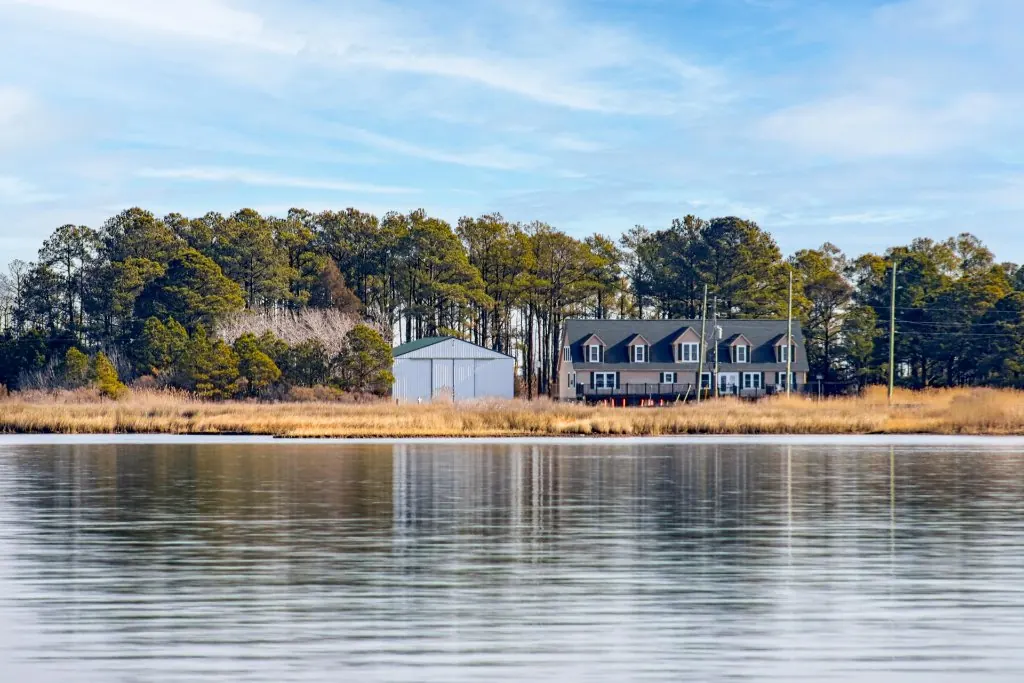
From wild harvest to farmed
Chesapeake oysters were once so abundant they filtered the entire Bay in a matter of days. Over the last century, wild populations crashed to less than 1% of their historical numbers — and with them went much of the Bay's natural filtration. Enter aquaculture: over the past decade, farming oysters has become one of the fastest-growing industries in Maryland, supporting a $30-million-plus industry across Maryland and Virginia and adding back oysters the wild Bay can no longer supply on its own.
How farmed oysters are grown
It starts with spat — tiny baby oysters, often set on bits of recycled shell ("spat-on-shell") in a hatchery. Farmers then grow them out either on leased bottom or up in the water column inside cages and floats. As of 2019, Maryland had 455 shellfish leases covering more than 7,100 acres — most on the bottom, with a growing share in cage operations. Over a year or two the oysters fatten into the consistent, market-ready shellfish you find on a raw bar.
Why it's good for the Bay
Here's the part that makes oyster farming special: it cleans the water. A single healthy adult oyster filters roughly 30 to 50 gallons of water a day, pulling out the excess algae and nutrients that cloud the Bay and locking them away in shell and tissue. The cages themselves act like artificial reefs, giving crabs and fish a place to live, and farms can even buffer shorelines from erosion. Few foods give back to their ecosystem the way a farmed oyster does.
Hooper's Island at the center
You're staying in oyster country. Hooper's Island and the surrounding Dorchester waters are a recognized hub of the modern Chesapeake aquaculture industry, from hatcheries and gear to the working boats tending the leases. That deep connection to the water — wild and farmed alike — is exactly what gives the island its genuine, hardworking character.
Taste the Bay at its source
The Bayside Escape is a water-view home on Hooper's Island in Fishing Creek, MD — the heart of Chesapeake oyster country. Create a free account and get $100 toward your first direct booking.
Taste the difference
For visitors, the aquaculture boom means one delicious thing: great local oysters, available much of the year and raised in clean, named waters. Slurp them raw on the half shell with lemon, or grill them over the fire on a cool evening. Knowing the work and the water behind each one makes them taste even better. (For when they're at their seasonal best, see our Chesapeake oyster guide.)