Chesapeake Oysters: Season, the 'R-Month' Rule & the Hooper's Island Story
Crabs get the summer headlines, but on the Chesapeake the oyster is the soul of the cold season — and few places are more tied to the oyster than Hooper's Island. This is a community that helped build the Bay's seafood industry, shell by shell. Here's when oyster season runs, what the famous "R-month" rule actually means, and how to fold a proper oyster experience into a fall or winter stay by the Bay.
When is oyster season?
Maryland's recreational oyster season runs October 1 through March 31. Those cold-water months are no accident: as the Bay cools, wild oysters firm up, plump out, and develop the briny, mineral sweetness the Chesapeake is known for. The peak of flavor falls in the dead of the season — roughly November through early spring — which is exactly when the crowds are gone and the water is quiet.
That overlap is the quiet secret of an oyster trip: the best eating coincides with the quietest, least crowded weeks. A blustery January weekend with a dozen oysters, a fire, and the Bay to yourself is one of the most underrated experiences on the Eastern Shore.
The "R-month" rule, explained
You've probably heard you should only eat oysters in months with an "R" — September through April. There's real history there: it's a rule of thumb that's been passed down for generations, and it tracks with cooler water, when wild oysters are firm and at their best (and, in the days before refrigeration, safer to eat warm out of the water).
The modern footnote: farmed oysters are available and safe year-round. Aquaculture and cold-chain handling mean a summer oyster from a reputable farm is perfectly good. But for wild Chesapeake oysters at their traditional peak, the R-months — and especially the heart of winter — are still the move.
The Hooper's Island oyster story
Hooper's Island isn't just near oyster country — it helped define it. The islands have been a working watermen's community since the Hooper family settled here in 1669, and for generations this was one of the primary seafood-processing hubs on the entire Chesapeake Bay. The packing houses, the skipjacks dredging oysters under sail, the canneries — this was the engine room of the Bay's seafood trade.
That legacy runs deep enough that Phillips Seafood — the Maryland seafood name many people know — traces its roots to Hooper's Island. And the tradition continues today through modern oyster aquaculture: Hoopers Island Oyster Co. takes its name from this narrow chain of islands and is part of the Bay's oyster-farming revival, which is helping rebuild reefs while putting Chesapeake oysters back on tables. Staying here, you're not visiting oyster country as a tourist attraction — you're staying in the place the story comes from.

Where to eat — and where to buy and shuck your own
For dining on the island, Old Salty's in Fishing Creek — the community's full-service restaurant, set in a former schoolhouse — is the local seafood destination people drive a long way for. Beyond the island, Cambridge (about 29 miles north) and the wider Middle Eastern Shore offer more seafood spots; the region is a stop on the Maryland Crab & Oyster Trail, which strings together the Bay's best raw bars, crab houses, and markets.
The other path — and a great group activity — is to buy fresh and shuck at the house. Pick up oysters from a local seafood market, grab an oyster knife and a folded kitchen towel, and learn the knack: work the knife into the hinge, twist to pop the shell, then run it under the top to release the meat. Serve them on ice with lemon, mignonette, and hot sauce, or throw them on the grill with butter and Old Bay until they just open. A big kitchen and a long table make it easy to do this for a crowd.
An oyster-season escape by the Bay
The Bayside Escape sleeps 24 on the Chesapeake Bay in Fishing Creek, MD — the heart of oyster country, at its quietest and best-value in the cold months. Create a free account and get $100 toward your first direct booking.
How to shuck an oyster (the short version)
- Fold a thick kitchen towel and hold the oyster flat-side up, cupped side down, with the hinge pointing toward your hand.
- Work the tip of an oyster knife into the hinge and twist — patience beats force. You'll feel it pop.
- Slide the knife along the underside of the top shell to cut the muscle, then lift the top shell off.
- Run the knife under the oyster to free it from the bottom shell. Pick out any shell bits. Serve on ice.
Always source oysters from a reputable market, keep them cold, and discard any that are open and won't close or that smell off.
Make a weekend of it
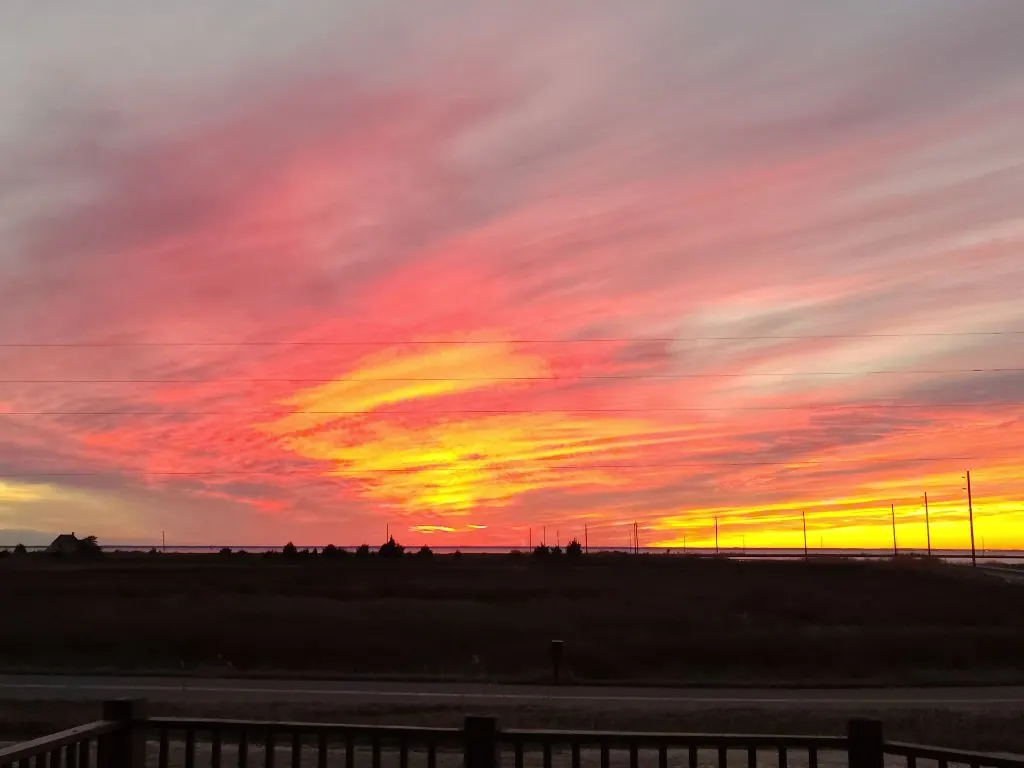
Oyster season pairs beautifully with the rest of the cold-weather Bay: thousands of snow geese and tundra swans are wintering at nearby Blackwater National Wildlife Refuge, bald eagles are easy to spot, and the night skies are dark and enormous. A weekend of oysters by the fire, birding at the refuge, and sunsets over the water is the Eastern Shore at its most authentic — and its most affordable.
Quick answers
When is oyster season on the Chesapeake Bay?
Maryland's recreational oyster season runs October 1 through March 31. These cold-water months are when wild Chesapeake oysters are at their plumpest and most flavorful — the heart of the traditional 'R-month' window.
What is the 'R-month' rule for oysters?
An old rule of thumb says to eat wild oysters only in months containing the letter 'R' — September through April. It lines up with cooler water, when wild oysters are firm and at their best. Farmed oysters are available and safe year-round.
Where can you eat or buy oysters near Hooper's Island?
Old Salty's, the island's full-service restaurant in Fishing Creek, is the local seafood destination, and area seafood markets sell fresh oysters to shuck yourself. Cambridge (about 29 miles north) and the wider Middle Eastern Shore — part of the Maryland Crab & Oyster Trail — add more options.
Season dates reflect Maryland's recreational oyster regulations as published; always confirm current rules, areas, and limits with the Maryland DNR (dnr.maryland.gov) before harvesting.