The Chesapeake Deadrise: The Workboat Behind the Bay's Seafood
Watch the water off Hooper's Island for any length of time and you'll see them: low, purposeful workboats humming out at dawn and back by afternoon, loaded with crab pots or oysters. That's the Chesapeake deadrise — the unglamorous, indispensable workhorse of the Bay — and its story runs right through this island.
The everyday boat of the Bay
The deadrise is the traditional fishing boat of the Chesapeake — the boat watermen use year-round for crabbing, oystering, and fishing. It's not built for show; it's built to work, and it has earned an iconic place in Bay culture. (Fun fact: Virginia named the Chesapeake Bay deadrise its official state boat in 1988; over in Maryland, the sailing skipjack holds that honor.)
What makes a deadrise
The name comes from the hull. "Deadrise" refers to the line rising from the keel up to the chine, forming the boat's distinctive flat-bottomed V. In practice that means a sharp bow that flattens to a shallow V toward the stern, a small cabin up front, and a big open cockpit aft for working gear. Traditionally wooden-hulled, with a shallow draft of just two to three feet — perfect for the Bay's skinny water — the average deadrise runs about 35 to 45 feet long. Simple, sturdy, and superbly suited to its job.
The Hooper's Island connection
Here's the local pride. Builders first began experimenting with V-deadrise construction in the 1880s on the Eastern Shore to serve the booming soft-shell crab market, evolving the design from the sailing skipjacks. And one of the very first types of purpose-built powered fishing boats on the Bay was the Hooper Island draketail of the 1920s and '30s — named for this island, built like a skipjack but narrower, since a powerboat didn't need the beam to carry sail. The boats you watch working the water here are descendants of a design this place helped invent.
Watch the working Bay go by
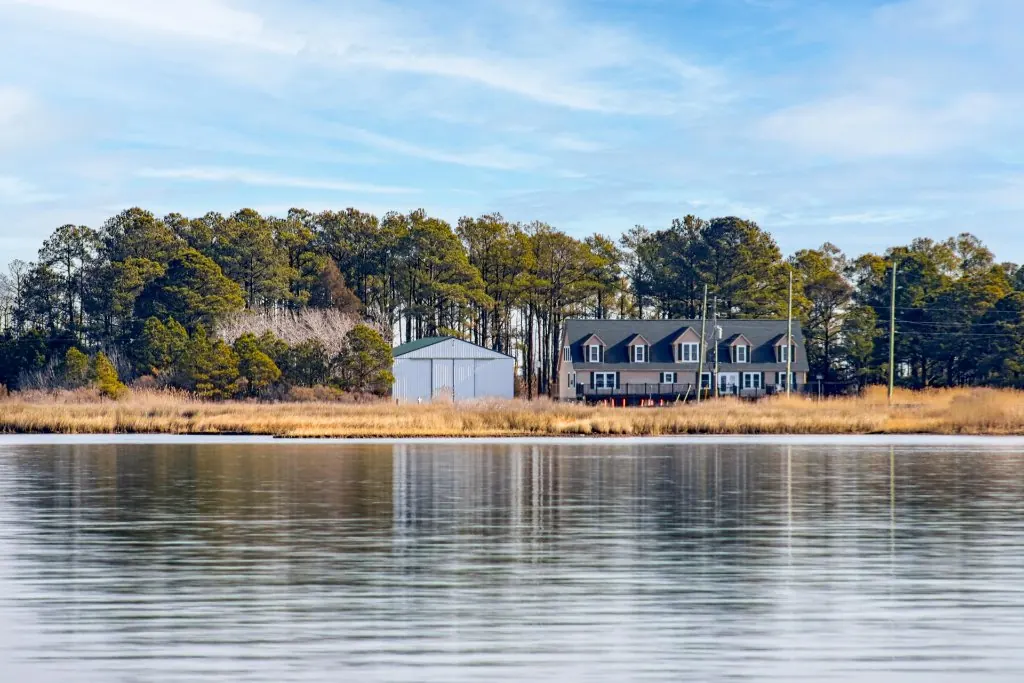
The Bayside Escape is a water-view home on Hooper's Island in Fishing Creek, MD — a front-row seat to the working watermen and their boats. Create a free account and get $100 toward your first direct booking.
Spot them on your stay
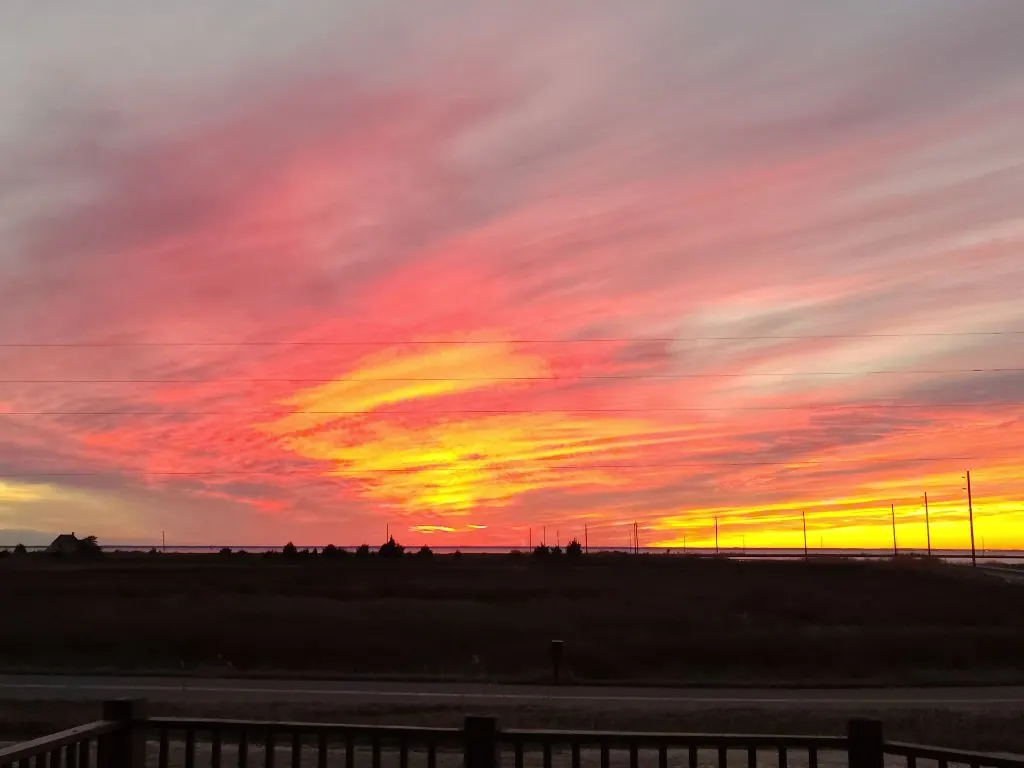
Early morning is the time to watch. Grab a coffee on the deck and you'll see the deadrises head out as the sun comes up, then return through the day to offload. It's not a tourist show — it's a living, working tradition, and getting to witness it is one of the quiet privileges of staying on a real waterman's island.