Skipjacks: America's Last Commercial Sailing Fleet
Somewhere out on the Chesapeake, when the oyster season is on and the wind is right, a wooden boat with a single towering sail is still dragging an iron dredge across an oyster bar the way it was done in the 1890s. The skipjack is the last commercial sailing fleet in the United States, and it belongs to this Bay. Watching one work is like seeing a page from a history book stand up and catch the wind. Here's what a skipjack is, why sail-power outlasted the engine here, and where you might glimpse one from a Hooper's Island base.
What a skipjack actually is
A skipjack is a shallow-draft wooden sailboat built for one job: dredging oysters under sail. The design is spare and purposeful — a low, wide hull that can slip over the Bay's shoals, a raked mast carrying an enormous single sail, and a long bowsprit out front. It's a workboat, not a yacht, and everything about it was shaped by the demands of pulling a heavy iron dredge full of oysters up off the bottom. The skipjack became the classic Chesapeake dredge boat in the late 1800s, and it's now honored as the Maryland state boat's sailing counterpart to the engine-powered deadrise. Simple, tough, and unmistakable on the horizon.
Why sail-power lasted here
The reason skipjacks still sail comes down to an old Maryland law. For generations, the state restricted dredging on many of its public oyster bars to boats working under sail — a conservation measure meant to keep the harvest from outstripping the resource, since a sailboat can only drag its dredge as hard as the wind allows. Powerful engines could strip a bar clean; a sail could not. That rule is why a whole fleet of commercial sailing vessels survived into the modern era on the Chesapeake long after sail had vanished from working waters almost everywhere else. Rules have shifted over the years — check the current regulations if the details matter to you — but the legacy is a living fleet of sailing dredge boats.
A fading tradition
There's no way to write about skipjacks honestly without acknowledging that the fleet has shrunk dramatically. Where hundreds of these boats once worked the Bay, only a small handful still dredge commercially, and many of the surviving hulls are preserved, restored, or sailed for education rather than for a living. Oyster harvests are a fraction of their nineteenth-century peak, wooden boats are expensive to maintain, and the watermen who know how to sail-dredge are a dwindling group. That's the bittersweet heart of the skipjack story: you're looking at the tail end of something genuinely old and genuinely American. Which is exactly why it's worth going out of your way to see one.
Where you might see one
Skipjacks are far more likely to be seen preserved or celebrated than caught mid-dredge, so plan around a couple of reliable options:
- Maritime museums. The Chesapeake Bay Maritime Museum in St. Michaels (about 1 to 1.5 hours from Hooper's Island) keeps Chesapeake working craft on display, and skipjacks are central to that story. It's the surest place to stand next to one.
- Deal Island. This waterman's community south of us has long been tied to the skipjack fleet, and it hosts a skipjack race, typically over Labor Day weekend — check the current year's schedule before planning around it.
- On the water in oyster season. If you're out on the Bay in the colder months when dredging is allowed, a distant sail on the winter horizon may be the real thing at work. No guarantees — this is a small fleet on a big Bay.
Base yourself on the working Bay
The Bayside Escape sleeps 24 on Hooper's Island in Fishing Creek, MD, in the heart of Maryland's waterman country. Create a free Bayside Rewards account and get $100 toward your first direct booking, then earn 8% back on every stay.
Why it matters from here
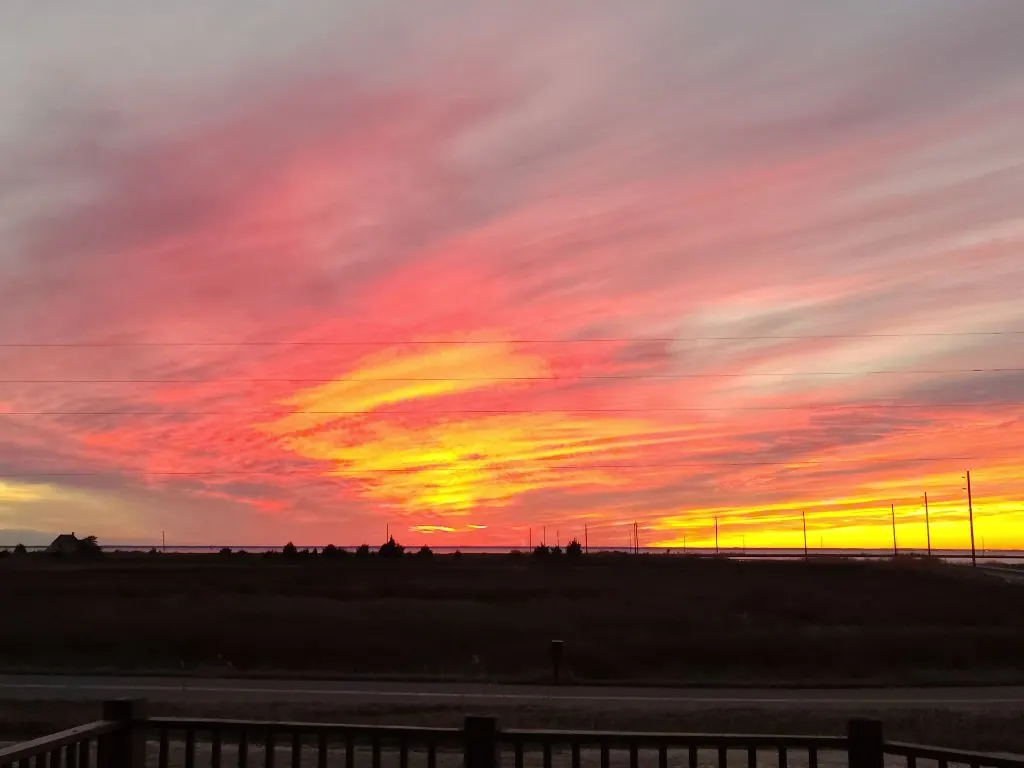
Hooper's Island is a working seafood community with deep waterman roots, which makes it a fitting place to appreciate the skipjack. When you look out across the water from the house — where cargo ships and sailboats drift past — you're seeing the same Bay these boats were built to work. The skipjack isn't a costume or a re-creation; it's the last thread of a commercial sailing culture that once ran on wind and muscle. Seeing one, or even just knowing it's still out there when the season turns, adds a layer of meaning to a Chesapeake stay that a postcard never could.