Chesapeake Bay Sunsets on Hooper's Island: Where & When to Catch the Best Light
Ask anyone who's stayed on Hooper's Island what they remember most, and a lot of them will say the same thing: the sunsets. With water to the west and almost nothing between you and the horizon, the Bay puts on a show nearly every clear evening. Here's how to make the most of it.
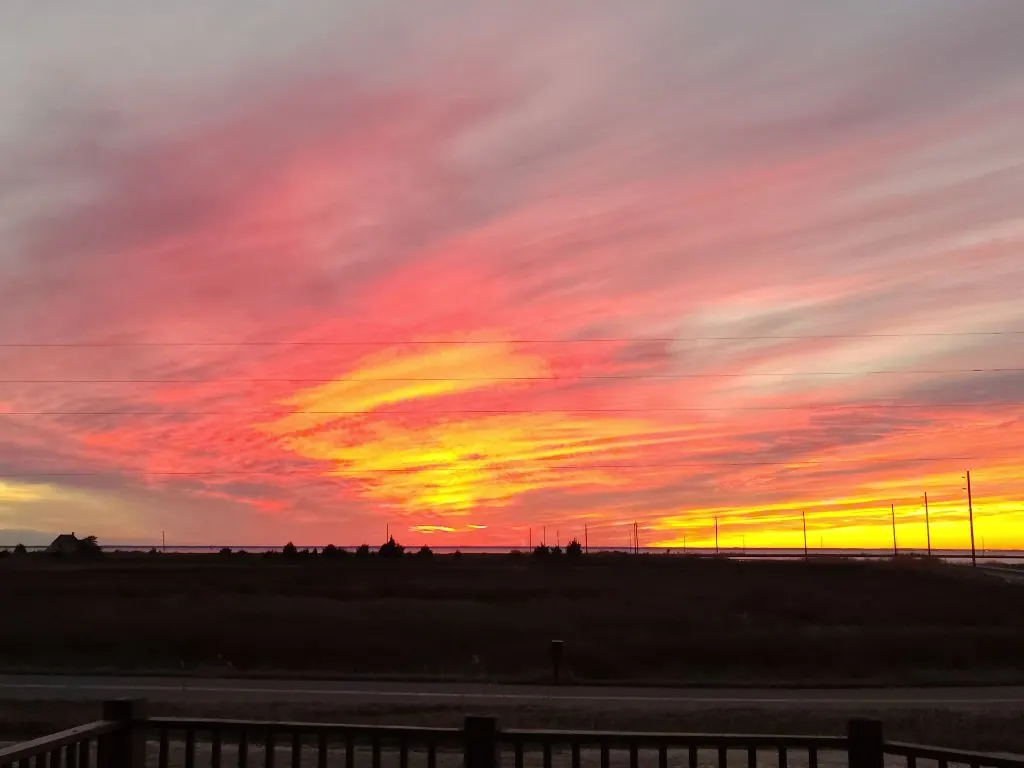
Why the light is so good here
Hooper's Island is a thin ribbon of land surrounded by water, which means wide-open western horizons and very little light pollution. The flat marsh and the Bay act like a giant mirror — on a calm evening the color doubles, sky and water glowing together. Add a few clouds to catch the last light and you get the kind of pinks and oranges that don't look real in photos but absolutely are.
When to be ready
The magic isn't just the moment the sun touches the horizon. Plan around two windows:
- Golden hour — the roughly hour before sunset, when the light goes warm and soft. Great for photos of people and the landscape alike.
- Blue hour — the 20–30 minutes after the sun sets, when the sky deepens to indigo and the afterglow lingers. Don't pack up early; this is often the best part.
Check the day's sunset time when you arrive and build dinner around it — or just bring your plate out to the deck. (Summer sunsets run late into the evening; in winter they come early and the air is crystal clear.)
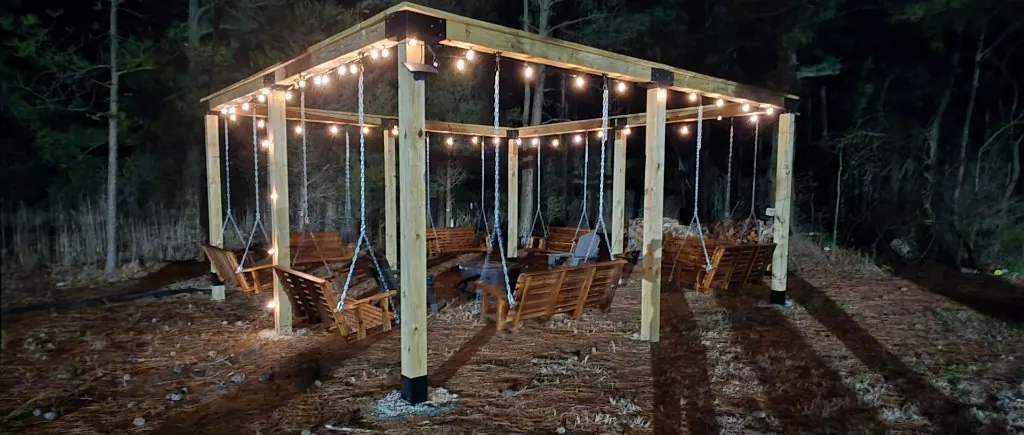
Where to watch
The deck and the pergola at The Bayside Escape are made for it — comfortable seats, an open view, and a drink in hand. For variety, take a short walk or drive to the water's edge along the island, or get out on a kayak and watch from the middle of the marsh as the light fades and the birds head to roost. Wherever you land, give yourself time to just sit and watch; that's the whole point.
Book the sunset seat
The Bayside Escape faces the water on the Chesapeake Bay in Fishing Creek, MD — front-row for the evening show. Create a free account and get $100 toward your first direct booking.
Simple photography tips
- Shoot before and after, not just at, sunset. The best color often comes 10–20 minutes after the sun is gone.
- Put something in the foreground — the pergola, a glass, a silhouette of a person — to give the sky scale.
- Look behind you. The eastern sky often turns soft pink at the same time; don't miss it.
- Steady your phone or bring a small tripod for the dim blue-hour shots so they stay sharp.
- Tap to expose for the sky on your phone so the colors stay rich instead of blown out.
Stay for the stars
The show doesn't end at dark. Once the afterglow fades, the home's permanent exterior lights glow on — a warm amber by default, and programmable to festive colors and patterns for the holidays — setting the mood while Hooper's Island's genuinely dark skies fill with stars. Linger on the deck a while longer; a sunset that rolls straight into stargazing is one of the simplest, best things you can do here.