The Hooper Island Lighthouse: The Bay's Cast-Iron Sentinel
Out on the water west of Middle Hooper Island stands a quiet piece of Chesapeake history: a cast-iron lighthouse that has marked these waters for well over a century. The Hooper Island Light shares the island's name and much of its story — built to last, weathered by the Bay, and still doing its job. Here's a look at the sentinel just offshore from your stay.
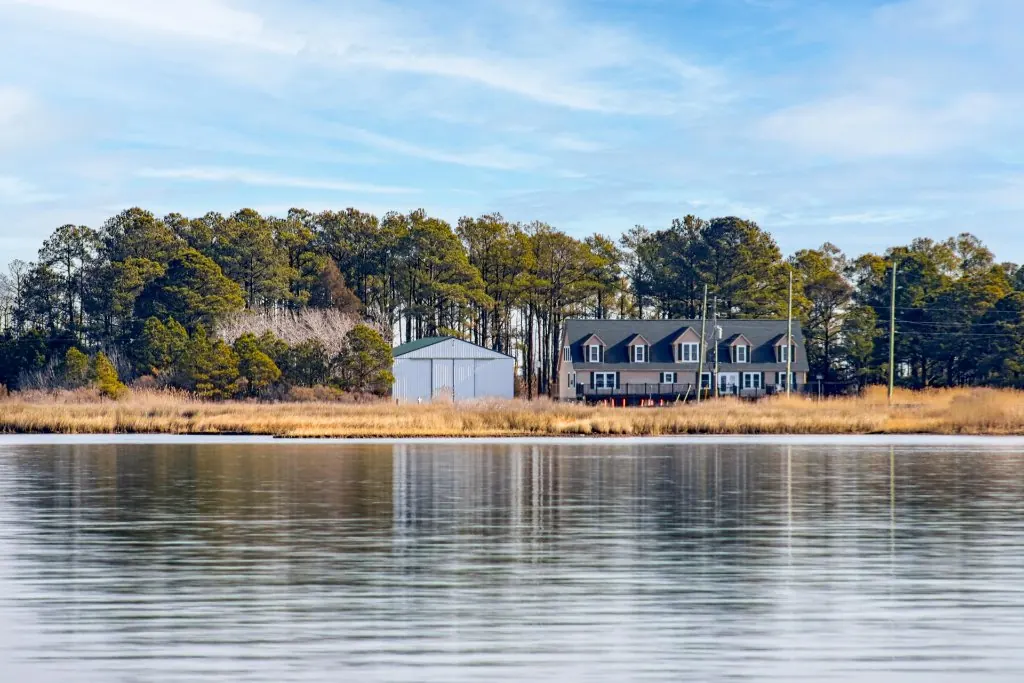
A light first lit in 1902
The Hooper Island Lighthouse is a caisson-style light — a cast-iron cylinder sunk into the Bay's muddy bottom and topped with a tower. First requested in 1897, it was finally built in 1901 and first lit in 1902, at a cost of $60,000. The caisson was sunk about 13½ feet into the bottom using the pneumatic process, and the light stands roughly 63 feet above the water — a sturdy, no-nonsense design built to survive ice, storms, and the open Chesapeake.
One of a kind in Maryland
The Hooper Island Light has a distinction all its own: it's the only cast-iron caisson lighthouse in Maryland with a watch room and lantern surmounted on the tower. That extra tier gives it a slightly different silhouette than its "spark-plug" cousins around the Bay — a small detail that lighthouse fans treasure.
Still on duty
More than 120 years on, the Hooper Island Light remains an active aid to navigation. In 2022 the federal government sold the structure to a preservation nonprofit, which has been working to restore it and documenting the effort publicly. So the light you see on the horizon isn't a relic behind glass — it's a working lighthouse with a second life, cared for by people who love it.
Watch for the light on the water
The Bayside Escape is a water-view home on Hooper's Island in Fishing Creek, MD — the same Bay the lighthouse has guarded since 1902. Create a free account and get $100 toward your first direct booking.
How to see it
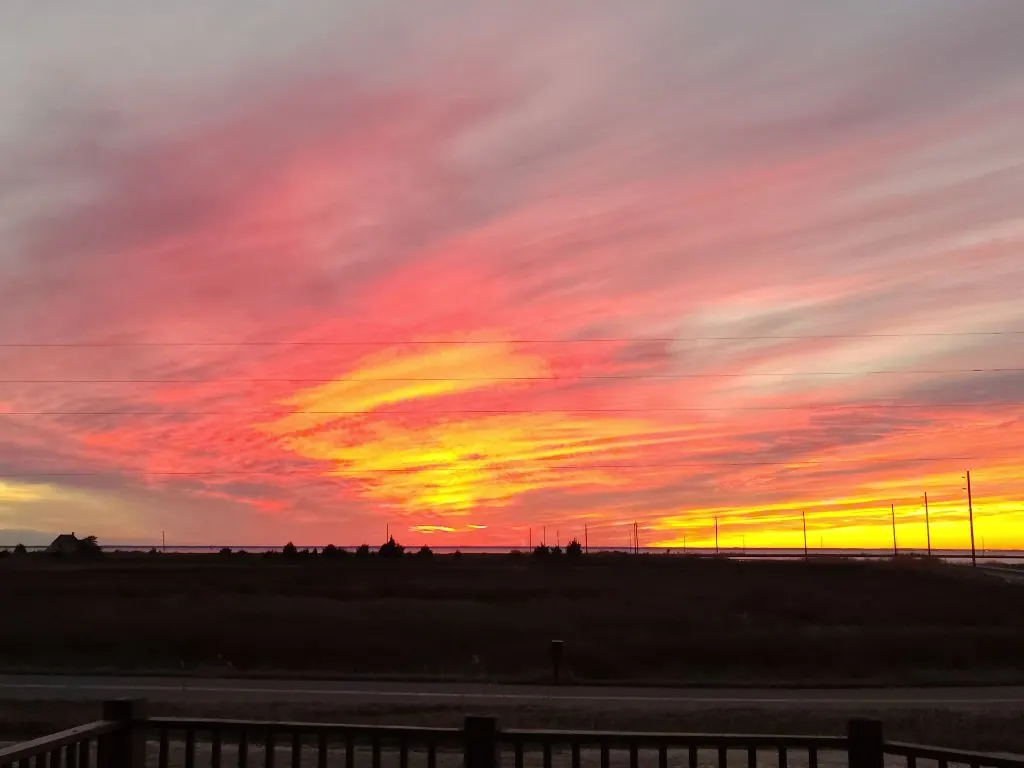
Because it stands offshore, the Hooper Island Light is best seen from the water — a boat outing, a fishing charter, or a kayak on a calm day will get you the closest look. From land, you may catch it in the distance from points along the island, especially with binoculars or a zoom lens, and it makes a striking subject at sunrise or sunset. Photographers and lighthouse collectors, add this one to your list. (For more, see our guide to the lower Eastern Shore's lighthouses.)