The Nause-Waiwash: Dorchester's Native People of the Marsh
Long before there was a house on Hooper's Island, or a road, or a name for any of it in English, Native people lived on and knew these marshes intimately. Their descendants are still here. The Nause-Waiwash Band of Indians are Dorchester County's Native community — people whose ancestors were the Nanticoke, Choptank, and related Algonquian-speaking peoples of this land and water. This is a brief, respectful introduction, written with care and with an honest acknowledgment of where the record is uncertain. For anything definitive, we point you to the Band's own voice.
People of this land and water
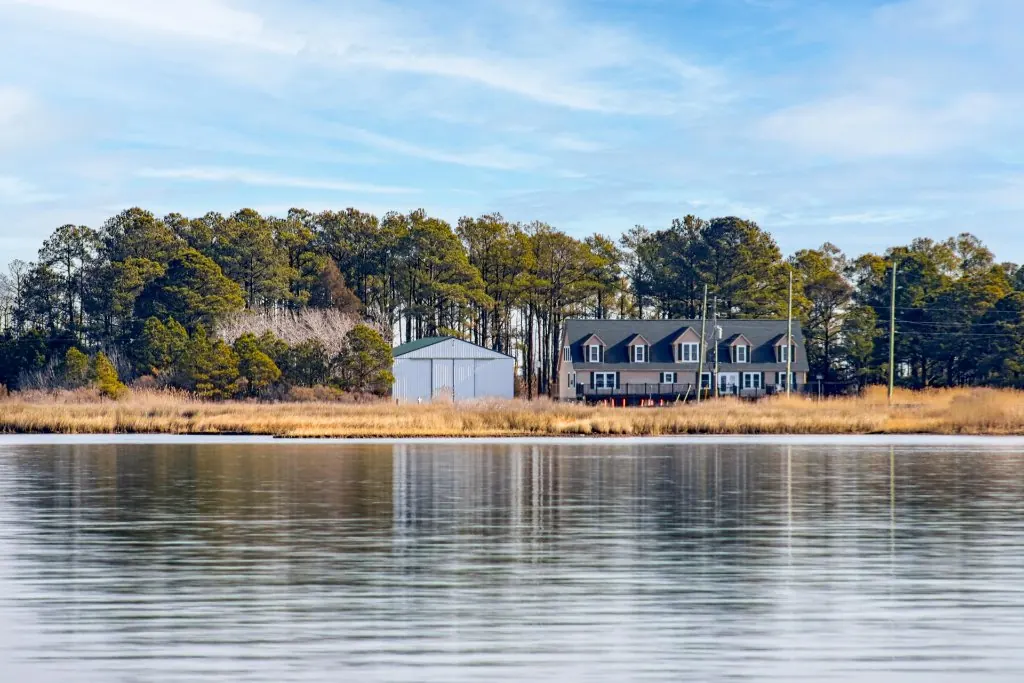
The Nause-Waiwash identify as descendants of the Nanticoke and Choptank peoples — Algonquian-speaking nations who lived across present-day Dorchester County and the surrounding Eastern Shore for thousands of years before European contact. Their very name, by some accounts, honors ancestral village sites tied to the Choptank and Nanticoke rivers. These were people deeply adapted to the Chesapeake's rhythms: fishing, gathering shellfish, hunting the marshes and forests, and moving with the seasons across a landscape of water and wetland that early colonists found nearly impassable but that Native people navigated with ease.
A history of loss — and endurance
The arrival of European colonists brought disease, dispossession, and pressure that reshaped Native life on the Shore. In the colonial era, Maryland set aside reservation land in the region, and Choptank people were among those confined to it — but over the following generations, reservations were eroded and many Nanticoke moved away. The story the Nause-Waiwash tell of their own ancestors is one of endurance: families who did not leave but withdrew instead into the vast Dorchester marshes, keeping to the hard-to-reach wetlands and quietly holding on to their identity across centuries when it was dangerous or disadvantageous to claim it. That persistence is the heart of who they are today.
A living community, not a footnote
The most important thing to understand is that the Nause-Waiwash are a present-tense community, not a chapter that closed. The Band works to preserve and share its heritage, maintains cultural traditions — muskrat trapping in the marsh, for instance, remains a winter tradition carried by tribal members — and organizes to keep its history known. A note on the details: questions of formal tribal recognition in Maryland are complex and evolving, and we won't attempt to characterize the Band's status here — that's theirs to state. If you want to learn accurately, seek out the Nause-Waiwash's own organization and events, where the community speaks for itself.
Visit with respect for the land's first people
The Bayside Escape sleeps 24 on Hooper's Island in Fishing Creek, MD, in a Dorchester County marsh landscape shaped over millennia. Create a free Bayside Rewards account and get $100 toward your first direct booking.
How to learn — and to visit thoughtfully
If this history moves you to learn more during your stay, do it the respectful way:
- Go to the source. Look for the Nause-Waiwash Band's own longhouse, programs, and public events, and let the community tell its own story rather than relying on secondhand accounts.
- Read the land. The Dorchester marshes around Blackwater aren't just scenery — they're the landscape that sheltered Native families for generations. Move through them with that awareness.
- Hold the uncertainty gently. Much of the early record was written by outsiders and is incomplete or biased. When a specific date or claim is fuzzy, treat it as fuzzy.
- Support respectfully. If the Band offers events, crafts, or educational opportunities, engaging with them is a meaningful way to honor a heritage that is still very much alive.