Metal Detecting & Beach Finds: A Slow Hobby Day (Know the Rules First)
There's a quiet, patient pleasure in metal detecting — headphones on, coil swinging, the day slowing down to the rhythm of the search. It can be a genuinely relaxing hobby-day activity on a Chesapeake trip. But it comes with a serious caveat that we won't bury in the fine print: the rules about where you can and cannot detect are strict, they vary by place, and getting them wrong can mean fines or worse. So before the "how," let's do the "where you're allowed" — because that part actually matters most.
Know the rules — this is the important part
Metal detecting is not allowed everywhere, and "the beach" is not automatically fair game. Here's the honest lay of the land, which you should always re-confirm against current regulations before you go, since rules change:
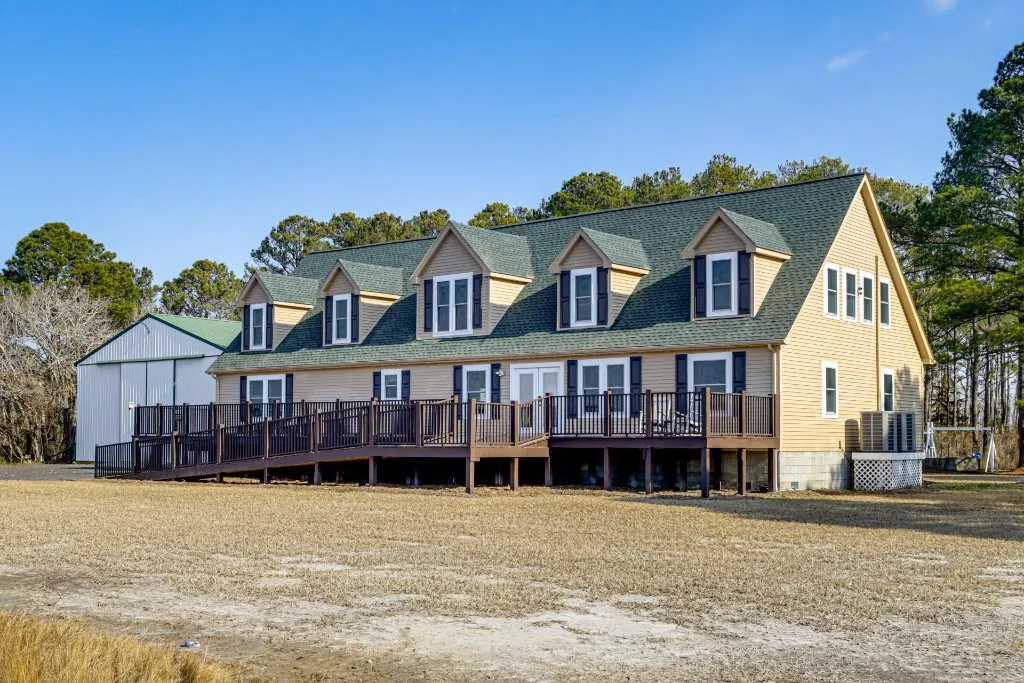
- Private property requires the owner's permission — always. On private land, whatever's in the ground generally belongs to the landowner, and you need their explicit OK to detect. The house's own 1.2-acre lot is private property; do not detect elsewhere on private land without asking whoever owns it.
- National Wildlife Refuges prohibit metal detectors, full stop. Federal rules bar detector use within refuge boundaries — so Blackwater National Wildlife Refuge, 19 miles up the road, is off-limits for detecting, however tempting the history sounds.
- Maryland state park lands are heavily restricted. As a rule, detecting on Maryland Park Service lands requires a permit from the state (through the Maryland Historical Trust), with only narrow exceptions. Reported exceptions have been limited to searching for modern coins and jewelry on certain designated swimming beaches, with the park manager's permission and seasonal time limits — and even that has carve-outs at specific parks. Never assume; ask the park directly and get permission in writing where required.
- County and town rules vary. Some local parks and beaches allow detecting, some don't, and some require a permit. Check with the specific jurisdiction before you swing a coil there.
The safe summary: assume you need permission, verify the current rule for the exact spot, and when in doubt, don't. This post is general guidance, not legal advice — the responsibility to detect legally is yours.
Why people love it anyway
Play by the rules and metal detecting is a wonderful slow-hobby day. It gets you outside and moving at an unhurried pace, it rewards patience and curiosity, and there's a real jolt of delight when a signal turns into something in your hand. Most finds are humble — a coin, a bottle cap, a bit of old hardware, a lost earring — but on a working-water landscape with centuries of history like the Eastern Shore, the sense of "what might be here?" is part of the fun. It's meditative in the same way beachcombing is: heads down, phones away, the day gone quiet.
Basic gear and technique
If you're bringing a detector out, a simple kit and a few habits go a long way:
- The detector and headphones. Headphones help you hear faint signals and keep the beeping to yourself. Learn your machine's basic tones before the trip.
- A digging tool suited to the ground — a small hand trowel or a sand scoop for beach work. Match the tool to the surface so you can dig cleanly and fill neatly.
- A pouch for finds and a separate one for trash. Good detectorists carry out the pull-tabs and bottle caps they dig — leaving the ground cleaner than they found it is a point of pride.
- Swing low and slow. Keep the coil close to and parallel with the ground, overlap your sweeps, and move at a walking pace, not a sprint. Rushing means missed targets.
Leave no holes — the detectorist's code
The reason many places restrict detecting is bad behavior by a careless few: holes left in lawns, disturbed ground, damaged sites. Responsible detectorists live by a simple ethic that keeps the hobby welcome:
- Fill every hole. Dig a neat plug, retrieve your target, and replace the plug so the spot looks untouched. Never leave an open hole — it's dangerous and it's the fastest way to get detecting banned somewhere.
- Don't disturb sensitive ground. Stay off dunes, marsh grass and anything that looks like it's holding the shoreline together, and away from anything that could be an archaeological or historic site. If you suspect you've found something genuinely old or significant, stop and report it to the proper authority rather than digging on.
- Leave it better. Pack out the trash you dig, respect other people's space and quiet, and follow every posted rule to the letter.
- When unsure, ask or abstain. A polite question to a landowner or park office — or simply choosing not to detect a questionable spot — protects both you and the hobby.
Get $100 toward your first booking
Create a free Bayside Rewards account and we'll drop $100 toward your first direct booking — sign in when you check out and the $100 comes off there. Then earn 8% back on every stay after that.
Making a relaxed day of it from the house
Treated as one calm activity among several, a detecting session slots nicely into a Bay trip. Do the homework at the house first — the reliable WiFi is perfect for looking up which nearby spots actually permit detecting and securing any needed permission before you set out. Then pack the detector, water, sun protection and bug spray, and give yourself an unhurried couple of hours somewhere you've confirmed is fair game.
And if the rules rule a spot out — which they often will around here — the shoreline still offers the no-permit, no-worry version of the same pleasure: beachcombing for sea glass, shells and driftwood along the public edge across the road. Same slow, heads-down joy of the hunt, none of the legal fine print. Come back and lay the day's finds out on the pergola rail either way.