Marsh Fall Color: The Eastern Shore's Quieter Autumn
When people picture fall color, they think of a mountainside ablaze in red maples and yellow birches. The Eastern Shore offers something different and, in its own way, just as lovely: as the days shorten, the vast marsh grasses that define this landscape turn from summer green to a warm palette of gold, russet, tan, and copper. It's a slower, subtler kind of autumn — no fireworks, just an enormous quiet field of color rippling in the wind under a big Chesapeake sky. Once you learn to see it, you'll never think of the Eastern Shore's fall as second-best.
The grasses that turn
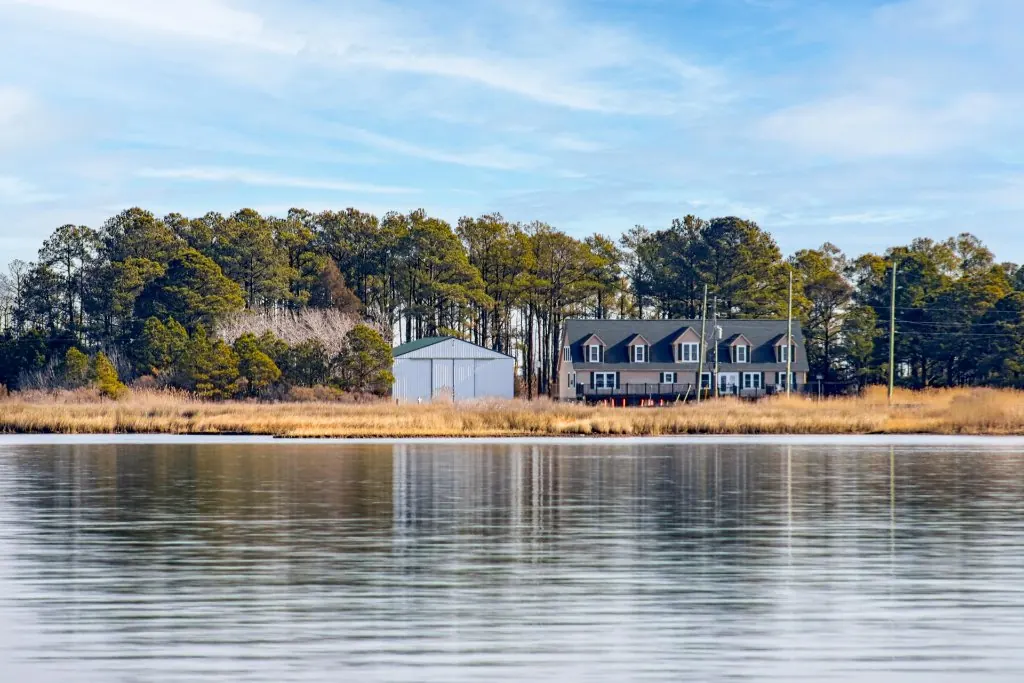
The workhorse of the salt marsh is Spartina — the cordgrass that carpets the tidal flats and creek edges of Dorchester County. Through spring and summer it's a lush green, but as autumn arrives and growth winds down for the year, it fades and warms into shades of straw-gold, tawny brown, and, in the right light, a burnished copper. Mixed in are other marsh plants adding their own tones, so the overall effect isn't a single color but a mottled, ever-shifting quilt that stretches to the horizon. Because the marsh is so expansive here, the color isn't a detail — it's the whole view.
A different kind of beauty than the mountains
It helps to arrive with the right expectation. This is not the saturated crimson-and-orange spectacle of a New England hillside. Marsh color is understated — earthy, golden, gentle — and its power comes from scale and light rather than from vivid hues. Picture acres of amber grass bending in unison as the wind moves across it, silvered water threading between the stands, and a low autumn sun setting the whole thing aglow. It rewards a slower, quieter kind of looking. For travelers who find peak leaf-peeping crowds exhausting, the marsh in fall is a revelation: just as beautiful, far more peaceful, and entirely your own.
When to catch it
The marsh generally shifts toward its autumn tones as fall settles in and the growing season ends — but the exact timing and intensity vary year to year with temperature, rain, and the first cold snaps, so treat any specific week as a rough guide and check conditions as your trip approaches. The good news is that the window is forgiving: unlike tree foliage, which can drop in a single windy afternoon, the marsh holds its warm colors for a good stretch, and even the pale, bleached grasses of late fall and winter have a stark beauty of their own. Come anytime the weather has turned crisp and you're likely to find the marsh dressed for the season.
Chasing the best light
Marsh color lives and dies by the light, and the low-angle sun of early morning and late afternoon is where the magic is. A few ways to catch it at its finest:
- Go golden. The hour after sunrise and the hour before sunset bathe the grasses in warm, raking light that makes the golds and coppers glow. Midday sun tends to flatten the color.
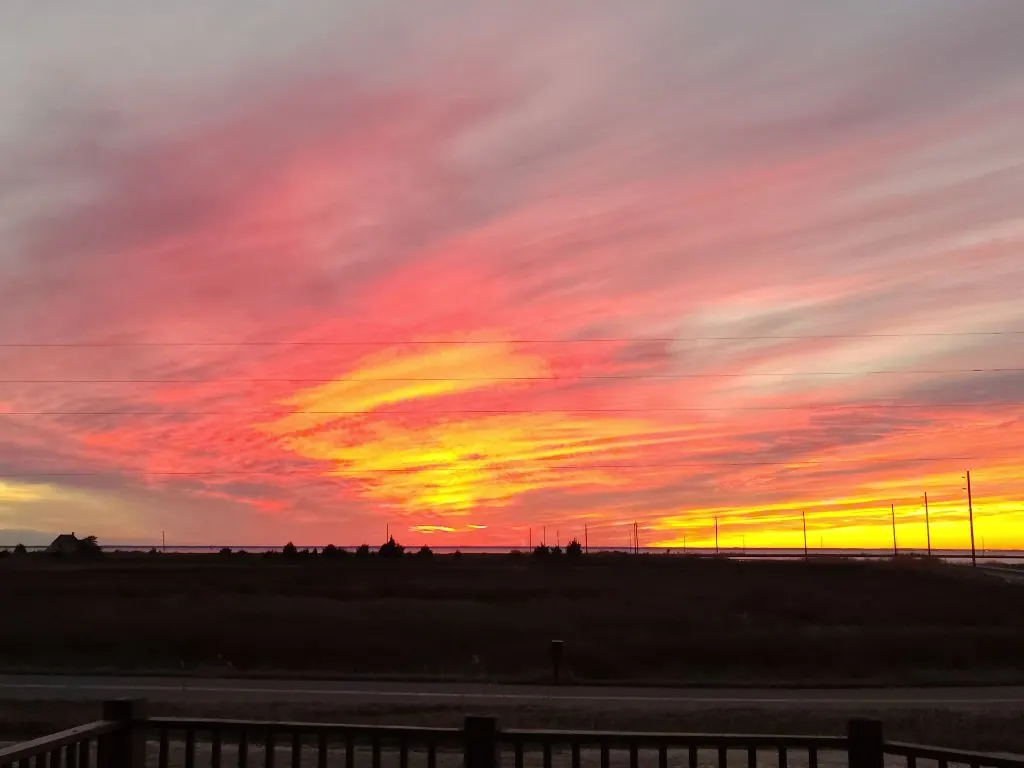
- Use the water. The interplay of amber grass and reflective water is the whole show. Look for spots where creeks and guts wind through the marsh — the sunset view from the front deck, looking across toward the Bay, is a fine place to start.
- Drive the byways and refuge roads. A slow drive along the marsh-lined roads of the county, or out toward Blackwater National Wildlife Refuge (about 19 miles away), opens up sweeping vistas of color — and doubles as prime fall birding.
- Bring a camera or paints. The scene practically composes itself; a phone camera at golden hour does it justice, and it's a dream subject for anyone who paints.
Get $100 toward your first booking
Create a free Bayside Rewards account and we'll drop $100 toward your first direct booking — sign in when you check out and the $100 comes off there. Then earn 8% back on every stay after that.
Part of a perfect fall stay
The marsh color arrives at what may be the best all-around season on the Bay. Fall brings cooler, comfortable days, thinner crowds, oysters back in season during the "R months," and waterfowl beginning to gather on the marshes and refuge ponds. Days of exploring the color-soaked landscape pair naturally with cool evenings around the fire pit, which is exactly the kind of trip the Eastern Shore does best. The marsh in autumn asks nothing of you but to slow down and look — and for many visitors, that turns out to be exactly what they came for.
A note for the seasons around it
If your calendar can't line up with peak fall color, don't fret — the marsh is quietly beautiful in every season. In spring it greens up as the peepers call; in summer it's a deep, lush emerald alive with wading birds; in winter it bleaches to pale gold and gray beneath the wintering geese and swans. The autumn palette may be the showstopper, but the marsh is the constant backdrop to a Hooper's Island stay, and learning to read its seasonal moods is part of what keeps people coming back year after year.