Chesapeake Log Canoe Racing: The Bay's Wildest Sailing Tradition
Picture a narrow wooden boat carrying far more sail than it has any business carrying, heeling hard, with a whole crew hanging out over the water on long planks like acrobats — leaning, scrambling, sometimes tumbling in. That's a Chesapeake log canoe race, and it may be the wildest, oldest sailing tradition on the Bay. It survives on a small circuit of Eastern Shore rivers within reach of Hooper's Island, and catching one on a summer afternoon is a thrill you won't forget.
From dugout to race boat
The log canoe's roots run all the way back to the Indigenous dugout canoe — a boat shaped from a hollowed log. Colonial-era watermen adapted the idea, joining several logs and adding sails to create a nimble sailing workboat used for oystering and general Bay work. Racing these boats grew up among Eastern Shore watermen in the 1800s; by some accounts a documented race ran on the Miles River as early as the middle of the century. When engines eventually took over the working water, the fastest and most beautiful sailing canoes found a second life purely as racers. What survives today is a direct descendant of a genuinely old Chesapeake craft.
Hiking boards and enormous sails
The spectacle comes from a simple problem. A racing log canoe carries a huge press of sail on a light, tender hull, which means it wants to capsize almost constantly. The crew's answer is to slide long wooden planks — hiking boards, sometimes called springboards — out over the windward side and climb out onto them, using their body weight to hold the boat upright. As the wind gusts and eases, crew members scramble in and out along the boards in a fast, chaotic, oddly graceful dance, all at the helmsman's call. Capsizes are a normal part of the sport, not a disaster, and a swamped canoe being righted is half the fun for spectators. It's sailing as high-wire act.
Where and when the races happen
Log canoe racing is a small, tight-knit world — by some counts fewer than a couple dozen of these boats still race. The season runs through the warmer months, with regattas hosted on a handful of Talbot County and nearby rivers such as the Miles and the Tred Avon (around St. Michaels, Oxford, and Easton — roughly an hour to an hour and a half from Hooper's Island). Yacht clubs and the Chesapeake Bay Maritime Museum are good starting points for the current schedule. Because dates and venues change year to year, don't lock in a plan around a specific race without confirming the current calendar first.
A Bay tradition worth the drive
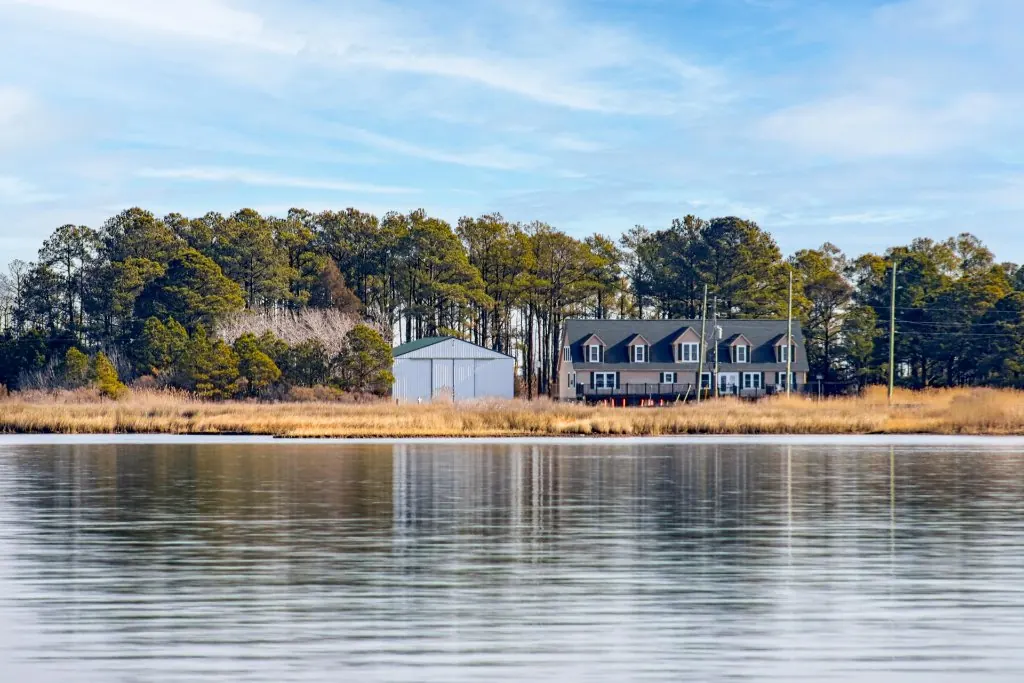
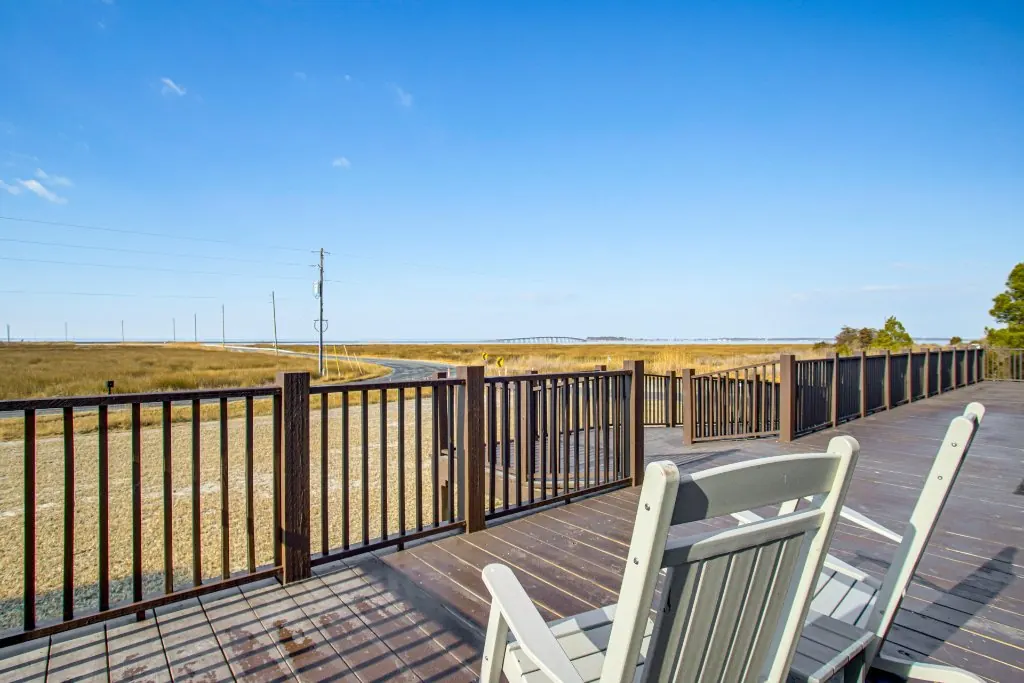
The Bayside Escape sleeps 24 on Hooper's Island in Fishing Creek, MD — a quiet home base with the Talbot County race rivers about an hour up the road. Create a free Bayside Rewards account and get $100 toward your first direct booking.
How to watch (and enjoy) a race
You don't need to know a thing about sailing to love a log canoe race. A few tips make it better:
- Watch from shore or by boat. Waterfront parks, town landings, and museum grounds often give good vantage points; if you have a boat, spectators sometimes anchor near the course — keep well clear of the racers.
- Bring binoculars. The crew work on the boards is the best part, and it reads far better up close.
- Watch the gusts. The most dramatic moments come when the wind shifts and a crew has to scramble — or fails to, and over she goes.
- Confirm the schedule. These are small community events; check the current year's race calendar and start times before you go.
- Make a day of it. The race rivers run through some of the Eastern Shore's prettiest maritime towns — pair a race with lunch and a stroll.