The Marsh Landscape Harriet Tubman Knew
You can read about Harriet Tubman anywhere. What you can't do anywhere is stand in the landscape that made her — the low, wet, wooded marshes of Dorchester County where she was born into slavery, learned the land, and first found her way to freedom. That landscape is right here, a short drive from Hooper's Island, and it is one of the most powerful reasons to visit this corner of the Eastern Shore. This is not a guide to Tubman's life so much as a guide to feeling the geography of it — respectfully, and with the humility the subject deserves.
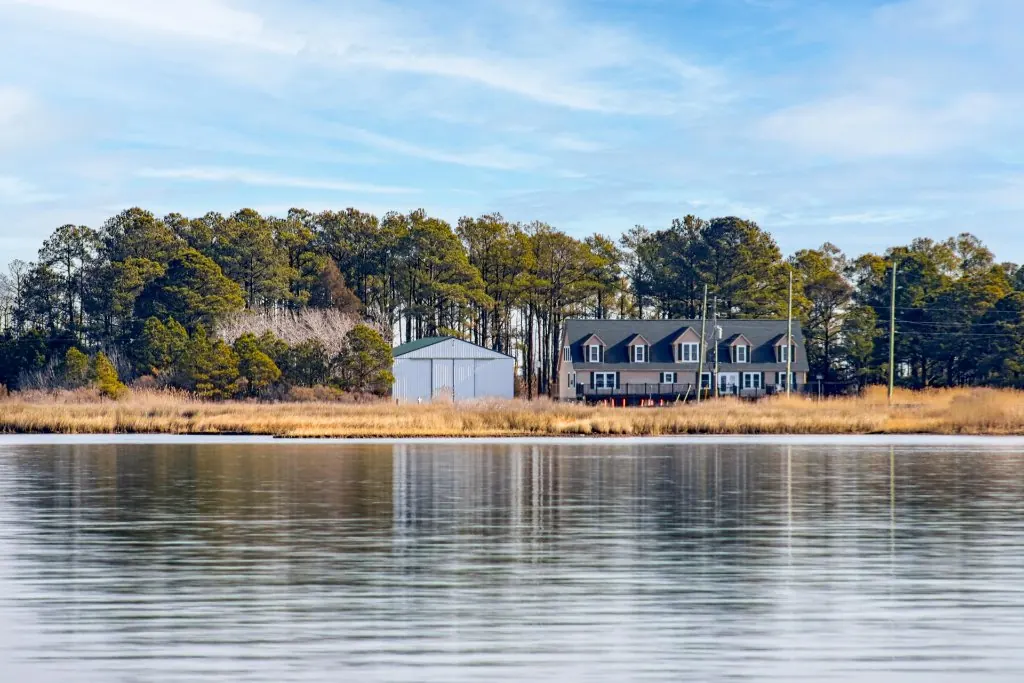
Born into this land
Harriet Tubman was born enslaved in Dorchester County around 1822, in this very marsh country. She grew up working its fields, forests, and waterways — hauling timber, trapping, and coming to know the land in a way few others did. When she escaped slavery and then returned, again and again, to lead others north along the Underground Railroad, she was drawing on an intimate knowledge of exactly this terrain: which woods gave cover, how the tides ran, where the marsh could hide a person and where it could swallow one. The landscape wasn't just the backdrop to her courage. It was a tool she mastered. To stand in it is to understand her a little better.
Blackwater as living geography
Much of the country Tubman knew survives, protected, within and around Blackwater National Wildlife Refuge — about 19 miles from the house. The refuge preserves a vast sweep of tidal marsh, loblolly forest, and winding water that looks much as it would have in her day. Walking or driving here, you get the texture of her world: the immensity of the marsh, the way land and water blur together, the isolation and the cover both. Blackwater is celebrated today for its eagles and its wintering waterfowl, but it's also, quietly, one of the best places anywhere to feel the physical reality of the Underground Railroad — not as a story, but as ground you can actually cross.
The Byway and the Visitor Center
The best-organized way to experience this geography is the Harriet Tubman Underground Railroad Byway, a self-guided driving route through Dorchester and beyond that links sites tied to her life and the wider story of slavery and escape on the Shore. Its anchor is the Harriet Tubman Underground Railroad National Historical Park and its visitor center near Church Creek — about 17.7 miles from Hooper's Island — where thoughtful exhibits give the history the depth and context it deserves. Starting there, then following the Byway out into the landscape, is the way to do this right: you get the facts and the human story indoors, then carry them with you into the actual country where it all happened.
A base for a meaningful Eastern Shore trip
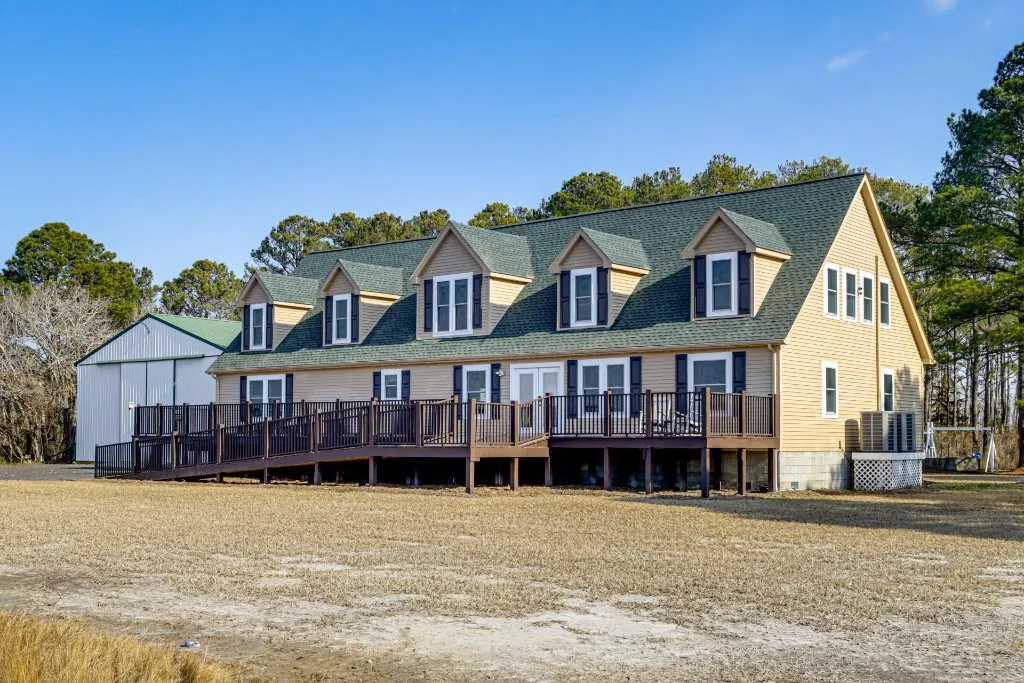
The Bayside Escape sleeps 24 on Hooper's Island in Fishing Creek, MD, with the Harriet Tubman visitor center about 17.7 miles away and Blackwater about 19. Create a free Bayside Rewards account and get $100 toward your first direct booking.
Visiting with respect
This is sacred and painful ground, and it asks something of a visitor. A few thoughts on doing it well:
- Start at the visitor center. Let the historians frame the story before you head out; the context changes how you see everything after.
- Give it time and quiet. This isn't a checklist stop. The power of the place comes from slowing down and letting the scale of the marsh sink in.
- Honor the full truth. The beauty of the landscape and the brutality of slavery are bound together here. Hold both.
- Check hours and access. Site hours and Byway details can change, so confirm the current information before you go.
- Bring the family. Handled thoughtfully, it's one of the most meaningful things you can share with children on the Eastern Shore.
Why it belongs on your trip
It would be easy to come to Hooper's Island for the crabs, the quiet, and the water, and never realize that one of the great American stories of courage is written into the marsh just up the road. Making room for it transforms a pleasant getaway into something you'll carry with you. The same landscape that gives you sunsets and herons gave Harriet Tubman the cover to lead people to freedom. Standing where those two truths meet is, for many visitors, the most unforgettable part of a Chesapeake stay.