A Fall Migration Calendar for the Chesapeake: Monarchs to Swans
Fall on the Chesapeake is a season of movement. The Delmarva Peninsula funnels migrating creatures down its length like a great flyway, and Hooper's Island sits right in the path. Over the course of autumn you can watch butterflies drift south, hawks ride the winds, and wave after wave of waterfowl arrive to spend the winter — building, by season's end, into the huge gatherings of snow geese and swans the region is famous for. This evergreen guide lays out the rough sequence so you can time a trip to the spectacle you most want to see. Nature runs on its own schedule, so treat these windows as approximate.
Early fall: monarchs down Delmarva
The first great fall movement is one of the most delicate: monarch butterflies. In autumn, monarchs migrate south down the Delmarva Peninsula on their remarkable journey toward their wintering grounds, and the coastal shore is a natural corridor for them. On a good day you may spot the unmistakable orange-and-black wings drifting past, pausing to nectar on late-blooming flowers. That something so fragile crosses such distances is genuinely humbling, and early fall is your window to catch it here.
Fall: hawks riding the wind
As the season deepens, raptor migration picks up. Hawks and other birds of prey move south through the region, often using winds and thermals to carry them along, and a crisp fall day with the right breeze can put birds in the sky. The open marshes and shorelines around Dorchester County give you long, clear sightlines to scan. Later in the season, you'll also start seeing wintering raptors settle in — northern harriers coursing low over the marsh at Blackwater, about 19 miles from the house, are a particular highlight.
Mid to late fall: waterfowl arriving
This is the movement the Eastern Shore is truly known for. As fall progresses, ducks and geese begin arriving from the north to winter on the Bay's marshes and open water. Numbers build steadily as the weather cools, turning quiet wetlands into busy, calling gathering places. Blackwater National Wildlife Refuge is one of the best places anywhere to witness the buildup, and it's an easy trip from the house. Watching the first big flights come in against an autumn sky is one of the defining experiences of a Chesapeake fall.
Late fall into winter: snow geese and swans
By late fall and into winter, the arrivals crescendo into the season's grand finale: enormous concentrations of snow geese and tundra swans. These gatherings typically peak roughly December through February, when the marshes around Blackwater can hold spectacular numbers. A field or an open stretch of water suddenly white with geese, or the wild bugling of swans carrying across the marsh, is unforgettable. If a single wildlife spectacle could define a Chesapeake winter, this is it — and it grows right out of the fall migration you can watch build week by week.
Sit right in the flyway
The Bayside Escape sleeps 24 on Hooper's Island in Fishing Creek, MD, in the path of the Delmarva fall migration, with Blackwater about 19 miles away. Create a free Bayside Rewards account and get $100 toward your first direct booking.
Making the most of a fall trip
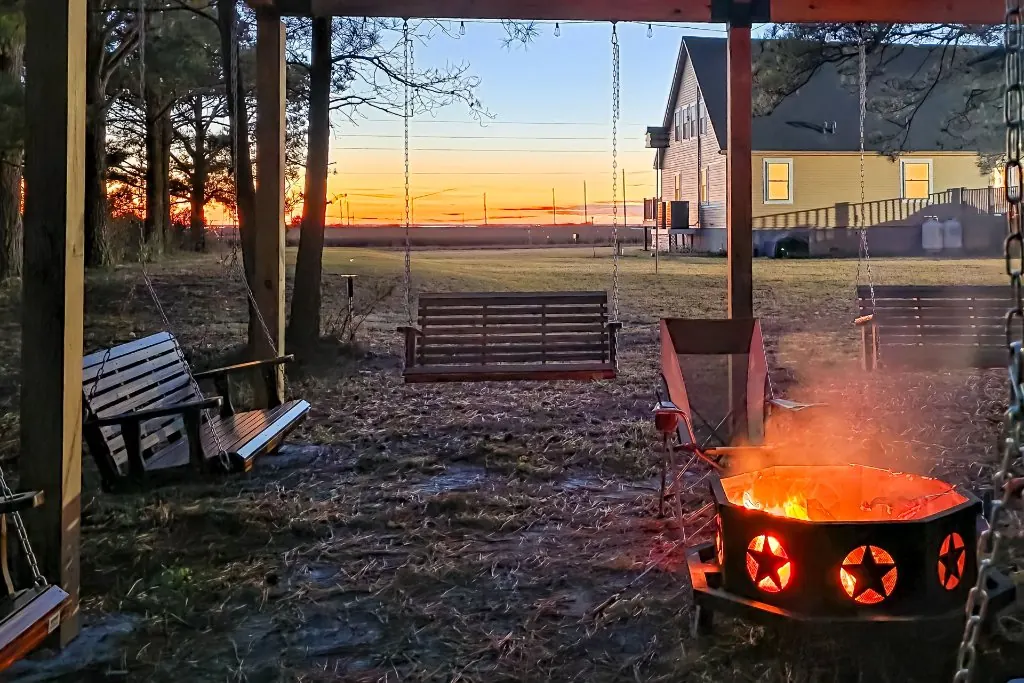
Fall pairs its wildlife with some of the best weather of the year — cool, clear days made for being outside, and crisp evenings tailor-made for the fire pit. Bring binoculars, dress in layers, and give yourself unhurried mornings, when bird activity tends to be highest. Between outings, the marsh itself turns gold and russet as the Spartina cordgrass changes, so even a slow walk or a scan from the deck can reward you. It's a season that gives generously to anyone who slows down and watches.
A quick fall timeline
- Early fall: monarch butterflies migrating south down Delmarva.
- Through fall: hawks and raptors on the move with the winds.
- Mid–late fall: ducks and geese arriving to winter on the Bay.
- Late fall–winter: snow geese and tundra swans building to a peak, roughly December–February.
As always, timing shifts a little each year with the weather, so use these as a guide and enjoy whatever the flyway is doing when you visit.