Diamondback Terrapins: Maryland's State Reptile & Where to Spot Them
If you spend a morning on the water around Hooper's Island, keep an eye on the calm shallows: that little head poking up and ducking back under is very likely a diamondback terrapin — Maryland's state reptile, the University of Maryland mascot, and one of the Chesapeake's most charming residents. Here's what makes them special and how to spot one.
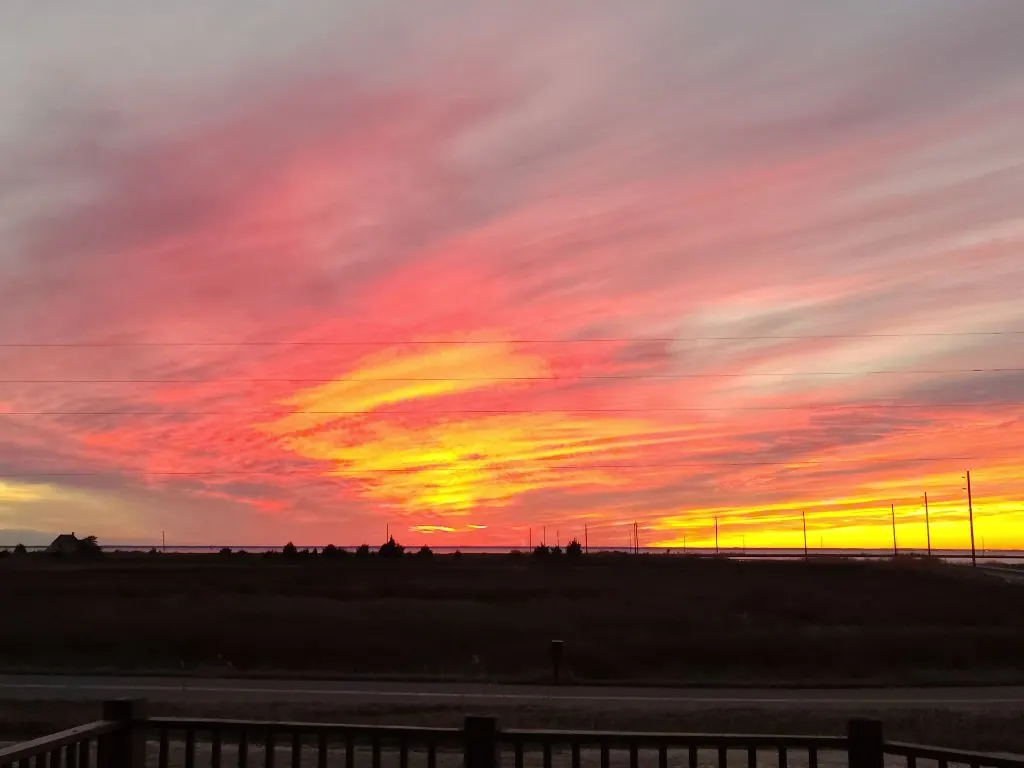
A turtle found nowhere else like this
The diamondback terrapin (Malaclemys terrapin) is named for the diamond-shaped growth rings on its shell — and no two are exactly alike. The markings are as unique as fingerprints, so researchers can identify individuals by sight. What truly sets the terrapin apart is where it lives: it's the only turtle in North America that spends its life in brackish water, the salty-but-not-quite-seawater of estuaries and tidal marshes. The marshes wrapping Hooper's Island are exactly its kind of place.
Males stay small — up to about six inches — while females grow noticeably larger, up to around nine. You'll most often see just the head: a curious, speckled face surfacing for air in calm, shallow water before slipping back under.
Maryland's reptile, and a college mascot
Maryland named the diamondback terrapin its official state reptile in 1994, but the animal's fame goes back further: the University of Maryland has gone by the "Terrapins" — and its mascot, Testudo — since 1933. Few state animals are this beloved. Spotting one in the wild, in the very water it represents, is a small thrill even for locals.
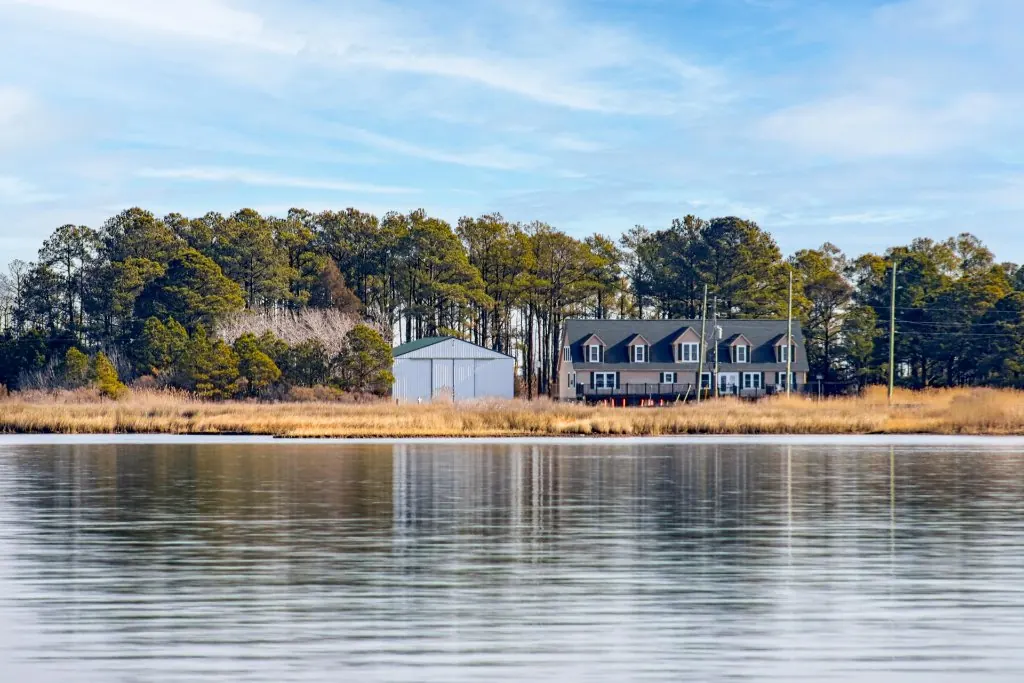
When and where to spot them
Terrapins mate in early spring and nest through mid-summer, so late spring and summer are the best times to see them. Females come ashore to lay eggs on sandy banks — and, unfortunately, sometimes on the shoulders of low marsh roads, so summer drivers down here should slow down and watch for them.
The best way to see one is from the water, quietly: glide through the marsh guts in a kayak, watch the calm shallows off a dock, or scan the edges along the Hooper's Island causeways. They're shy and will dive at the first sign of a threat, so the trick is to drift, stay still, and let them surface around you.
Wake up in terrapin country
The Bayside Escape sits right among the brackish marshes the diamondback terrapin calls home, on the Chesapeake Bay in Fishing Creek, MD. Create a free account and get $100 toward your first direct booking.
Watch responsibly
Terrapins have had a hard century — habitat loss, development on their nesting beaches, road mortality, boat strikes, and historic harvesting all took a toll. Maryland ended commercial harvest of terrapins in 2007, and the species is a conservation priority across the Bay. Do your part as a visitor: observe from a distance, never chase or handle them, give nesting females space, slow down on marsh roads in summer, and if you're boating, watch your wake and speed in the shallows. The best wildlife encounters leave the animal undisturbed.
Make a wildlife day of it
Terrapins are just one act in the Hooper's Island wildlife show. The same marshes hold great blue herons, egrets, and ospreys; nearby Blackwater National Wildlife Refuge adds bald eagles and, in winter, thousands of snow geese and tundra swans. A morning paddle looking for terrapins pairs naturally with an afternoon at the refuge — bring binoculars and a camera and let the day unfold.
Quick answers
What is a diamondback terrapin?
It's a small turtle (Malaclemys terrapin) named for the diamond-shaped rings on its shell. It's Maryland's official state reptile and the University of Maryland mascot, and it's the only North American turtle that lives its whole life in brackish water — the salty-but-not-sea-salty water of estuaries and marshes like those around Hooper's Island.
When do terrapins nest?
Terrapins mate in early spring and nest through mid-summer, when females come ashore to lay eggs on sandy banks and roadsides. That's also when you're most likely to see them — and when drivers should slow down for nesting females crossing low marsh roads.
Where can you see terrapins near Hooper's Island?
Look for their heads poking up in calm, shallow brackish water — from a kayak in the marsh guts, off a dock, or along the causeways. They're shy, so watch quietly from a distance and never chase or handle them.