Marsh Mammals of the Chesapeake: Muskrats, River Otters & a Conservation Win
The birds get most of the attention on the Eastern Shore, but the tidal marsh is alive with mammals too — some you'll spot from a kayak at dawn, and one whose story is a genuine conservation triumph. Here's a look at the four-legged residents of the Chesapeake marshes around Hooper's Island.
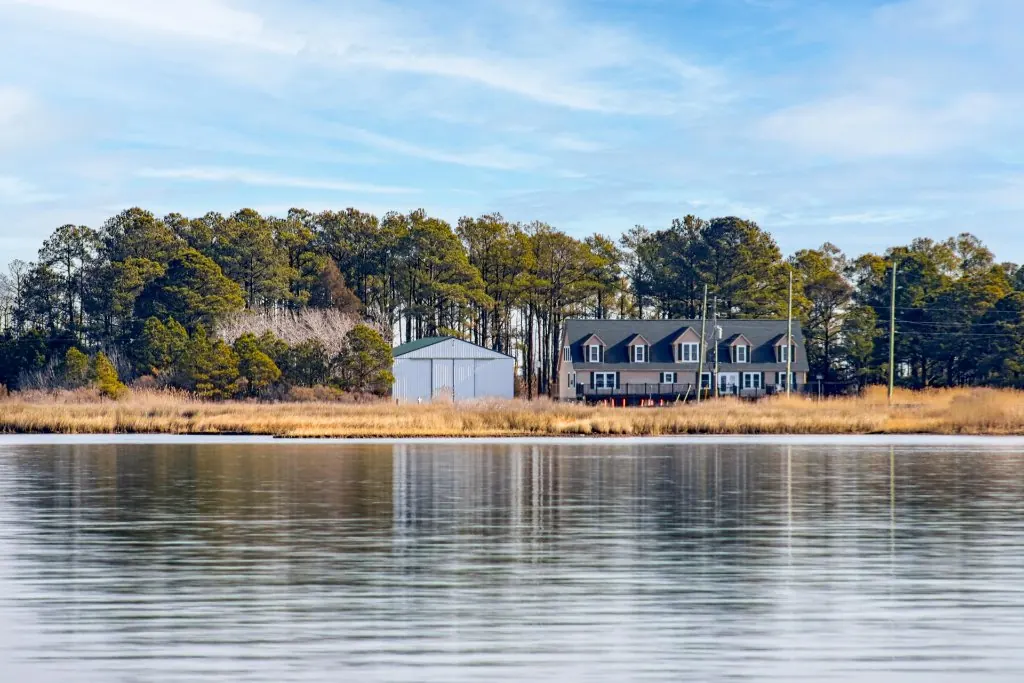
The muskrat: the marsh's signature mammal
The native muskrat is to the Dorchester marsh what the blue crab is to the Bay — a defining local species. These small, semi-aquatic rodents build dome-shaped lodges of marsh grass and tunnel through the banks, and they've been central to the area's trapping heritage for generations. Look for their lodges poking up from the cordgrass and for their telltale V-shaped wakes as they swim across a guzzle at dawn or dusk.
The river otter: the marsh's acrobat
Harder to spot but a thrill when you do, the native river otter patrols the creeks and shorelines, hunting fish and crabs. Playful and sleek, otters travel in family groups and leave slides on muddy banks. Early morning and evening along quiet creeks — exactly the kind of water you can paddle from Hooper's Island — give you the best chance of catching one at work.
The nutria story: a conservation win
Not every marsh mammal belonged here. The nutria — a large semi-aquatic rodent native to South America — was introduced to Maryland's Eastern Shore near Blackwater National Wildlife Refuge back in 1943. With no natural checks, the population exploded and the animals devoured the roots that hold the marsh together. Blackwater lost more than 5,000 acres of wetlands to a combination of nutria damage, sea-level rise, and sinking land.
Then came one of the great invasive-species success stories. The Chesapeake Bay Nutria Eradication Project launched a systematic, science-driven campaign in 2002, and after roughly two decades and some $30 million of work, Maryland was declared free of nutria in September 2022. The marshes the muskrat and otter depend on — and the crabs, fish, and waterfowl that depend on the marshes — are healthier for it.
Stay where the wild marsh begins
The Bayside Escape is a water-view home in southern Dorchester County — Fishing Creek, MD — surrounded by tidal marsh and minutes from Blackwater. Create a free account and get $100 toward your first direct booking.
How to spot them
- Go at dawn or dusk. Marsh mammals are most active in low light.
- Be quiet and patient. A still kayak or a quiet spot on the bank beats walking around.
- Watch the water's surface for V-shaped wakes and ripples that give a swimmer away.
- Drive the Blackwater Wildlife Drive and scan the marsh edges and ditches.
- Bring binoculars; these animals are wary and best enjoyed from a distance.